Key Elements Driving Venue Pricing
Location and Geographic Demand
It’s a fascinating quirk of the industry that a sprawling countryside estate can carry a price tag that rivals an intimate city loft, or vice versa. The wedding venue costs average in South Africa shifts dramatically based on the simple physics of supply and demand. In metropolitan hubs like Cape Town or Johannesburg, the sheer volume of available venues creates intense competition, yet the premium on prime real estate near landmarks or with skyline views keeps prices elevated. Conversely, a scenic winelands barn outside Stellenbosch commands a high figure for its exclusivity and the logistical challenge of bringing top-tier vendors to a remote site.
This geographic arbitrage creates a landscape where couples are effectively paying for the surrounding ecosystem, not just a room.
– Proximity to major airports for out-of-town guests
– Access to preferred supplier networks in the area
– The specific ambient atmosphere of the region’s natural terrain
Coastal towns experiencing a tourism boom often see their venue rates inflate during peak holiday seasons, as owners capitalise on the influx of visitors. Inland, the wedding venue costs average can drop considerably, but this often comes with a hidden cost of higher travel fees for caterers and photographers. The regional demand often hinges on the local population density and the volume of weddings performed annually. For a couple planning a cross-border celebration, or a local affair in Gauteng, the decision hinges on balancing the aesthetic desire with the tangible financial arithmetic of location.
Seasonality and Peak Dates
Peak dates behave predictably. In South Africa, the wedding venue costs average climbs steeply from late November through January, when holiday crowds and post-work celebrations collide. Everyone wants a Saturday, and then everyone wants the same Saturday!
What actually drives these rates? School breaks, long weekends, and the fear of rain. A coast venue in December can charge double its May rate, simply because couples imagine sunsets that may never appear. The scarcity of an ideal date creates a psychological premium that owners understand well.
- Christmas and Easter weeks
- Public holidays like Heritage Day
- Bridal show weekends that spike enquiries
Off-peak dates carry their own logic, but the compromise often feels like betrayal to the fantasy. That tension shapes every decision.
Guest Count and Space Capacity
A 60 person wedding and a 160 person wedding occupy the same room, but not the same price. The wedding venue costs average climbs with each plate, yet not at a steady rate. A venue hosting 80 guests might charge R450 per head, while the same space for 160 guests drops to R380, then they force you to upgrade the bar. Venues price per person because each guest demands a chair, a plate, a server, and a trip to the loo. Capacity, however, is more than a head count. It includes:
- Table configurations and dance floor space
- Kitchen output per hour
- Staff to guest ratios
- Load shedding backup requirements
Two hundred guests might fit inside the tent, yet the venue only has four toilets. That crunch changes your bottom line when portable units get hired. The functional capacity, not the fire safety number, is what actually prices your day.
Day of the Week Matters
Saturday in South Africa carries a premium that can shift your wedding venue costs average by thousands. I have watched couples book a Sunday afternoon in the Winelands for nearly half the tariff of the same room on a Friday evening. Venue calendars hold more nuance than most couples expect. A public holiday on a Monday changes the math, as does a long weekend.
Venues price their dates based on demand, but also on logistics. A Saturday wedding means staff working overtime, extra security for late nights, and generators humming through load shedding. Some venues offer a reduced rate for Thursday weddings, yet those same spaces might demand minimum spends that cancel the saving.
- Friday and Sunday weddings often receive venue-only packages
- Saturday peak season requires higher food and beverage minimums
I have seen the wedding venue costs average drop by 25% simply by shifting to a Tuesday. That difference changes what a couple can afford elsewhere.
Amenities and Included Services
Most couples price a venue by the view, but the real number lives in the fine print. One venue quotes R85,000 for a barn, another R95,000 for the same floor plan. The difference? Infrastructure. The wedding venue costs average climbs when venues pass on backup generators, table linen, and basic staffing.
Often the hidden split comes down to what is included. Some spaces include a bridal suite and parking. Others charge extra for ice, candles, or a dance floor. I have walked into venues where the quoted rate covered nothing but the bare room. The wedding venue costs average shifts when you compare full-service estates against bare-bones halls.
Items that change the final quote:
– Venue coordinator hours and their overtime policy
– Furniture, crockery, and glassware beyond basic settings
– Load shedding protection and water backup
– Security and cleaning for extended hours
Ask what breaks after hour one. That is where the margin lives!
Comparing Typical Price Ranges by Venue Style
Hotel and Event Venues
When couples compare hotel ballrooms with standalone event spaces, the wedding venue costs average reveal more than just square meterage. Hotels bundle tables, linens, and coordinator fees into a single per-person rate, which can obscure the actual total. Event venues often quote a flat hire fee that looks manageable until you add external suppliers.
- Hotel venues: per-person pricing with in-house catering and staffing
- Event venues: venue-only hire with separate costs for chairs, lighting, and catering
From my experience, an event venue may charge R45,000 for the bare space, while a hotel quotes R800 per guest, everything included. For 100 guests, the hotel comes to R80,000, but the event venue, after adding rentals and a caterer, often exceeds R100,000. The wedding venue costs average for hotels tends to be higher up front, yet the final invoice can be lower, as the planning burden shifts to the venue’s team.
Rustic Barns and Farms
A Cape Winelands barn can set you back R25,000 for a Saturday, while a Free State farm venue might ask R8,000. That spread reflects the wedding venue costs average for rustic spaces, where the land and its limitations shape the price. You pay for the bucolic backdrop, but you also inherit the logistics.
- Portable toilets at R150 per unit per day
- Generator hire for load-shedding hours
- Farm access roads that need a shuttle
I have seen couples fall for a weathered wooden beam, then flinch at the cost of sound equipment on a remote plot. The quote for the barn is often the smallest line item, and the real expense hides in those practical necessities.
Beaches and Outdoor Gardens
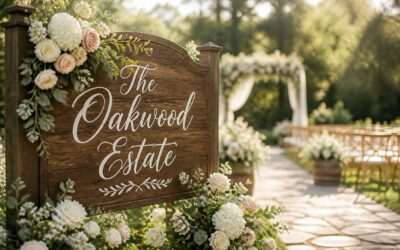
Beaches and outdoor gardens offer a different price world. A Clifton beach ceremony with private access might cost R18,000 for a few hours, while a public beach spot asks only a R500 permit. You pay for exclusivity, but also for wind insurance and tenting. The wedding venue costs average for beachfront plots often includes hidden charges for sound permits and sand-friendly chair rentals.
Outdoor gardens in Johannesburg suburbs range from R12,000 to R35,000. That price usually covers lawns, water features, and staff. What you save on decor, you spend on weather contingency. Consider the variables:
- Garden venues charge extra for marquees beyond a set guest count.
- Beach ceremonies need a backup spot if the tide turns.
Both styles tempt couples with natural beauty, yet the real budget hinges on transport and power. The wedding venue costs average across these settings sits lower than hotels, but unpredictability can raise the final invoice.
Historic Mansions and Museums
Historic mansions and museums carry a distinct gravitas, and their price tags reflect that. A Cape Dutch manor in the Winelands might cost R40,000 to R80,000 for the day. Museums, often run by trusts, quote lower base fees but enforce strict rules on catering and furniture placement.
The wedding venue costs average for these spaces lands between R25,000 and R60,000. Heritage status drives that number. You pay for the architecture and the story, then sacrifice flexibility. Most sites ban open flames or hanging installations. Some mandate an in-house coordinator, adding a flat fee. In my experience, that coordinator alone bumps the total by R5,000!
Several line items push the final price beyond any published rate:
- Heritage permits for professional photography
- Security staff required to protect exhibits
- Restricted guest flow, which forces longer setup windows
Modern Lofts and Industrial Spaces
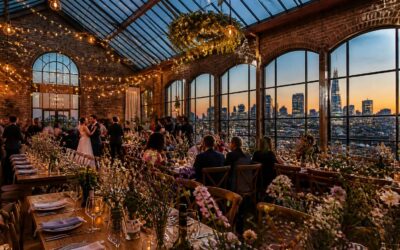
Modern lofts and industrial spaces present the opposite bargain. In Johannesburg’s Maboneng or Cape Town’s Woodstock, bare brick and steel beams command a different kind of awe. These venues often charge R18,000 to R45,000 per event, making the wedding venue costs average noticeably lower than heritage sites. The appeal is adaptive flexibility. You are not preserving a museum piece. You can drape, hang, or install without a curator’s approval.
The hidden costs surface elsewhere:
- Sound attenuation systems for the acoustic bounce off concrete
- Rental of tables, chairs, and dinnerware, since industrial spaces rarely stock them
- Generator hire when electrical infrastructure cannot handle a DJ rig plus catering
An empty warehouse looks like a blank canvas, but the blankness extends to power supply and plumbing. The published rate never reveals what you will spend on logistics. In my experience, the wedding venue costs average for lofts climbs quickly once you account for the infrastructure you must import yourself.
Religious and Community Halls
There is an old equation in South African weddings: the venue fee is the smallest part of the cost. Church halls and community centres in Pretoria or Durban often quote between R8,000 and R20,000 per event. That figure seems gentle compared to the wedding venue costs average for hotels, but the ledger is incomplete. These spaces are utilitarian. They offer a roof, a floor, and a kitchen counter.
The real arithmetic starts when you list what is absent.
– A sound system that can fill a large hall, because the building’s PA is a single speaker
– Folding chairs that do not wobble, requiring you to rent sturdy seating for 100 guests
– Basic décor, meaning every tablecloth and centrepiece must be supplied from scratch
The wedding venue costs average for these halls creeps upward the moment you hire a caterer who demands a proper prep area. You pay a cleaning deposit, a caretaker fee, and often an overtime charge. The published rate is honest, but the surprises are plentiful. A venue manager might lock the doors at 22h00, so you negotiate an extension without knowing the hourly fee until the invoice arrives. The space is affordable on paper, yet your time and patience absorb the real cost.
Budgeting Beyond the Sticker Price
Mandatory Service Charges and Gratuity
A 12% service charge sounds modest until it lands on top of a R60,000 food and beverage minimum. South African venues routinely add mandatory service charges of 10% to 15% onto the final invoice, plus gratuity for waitstaff and coordinators. These items push your wedding venue costs average up by thousands of rand before you pour a single glass of bubbly.
Ask for the complete fee schedule in writing before signing. Request specifics on:
- The service charge percentage and whether it applies to the food and beverage minimum
- Gratuity for the maître d’, which some venues bill separately
- The 15% VAT, often omitted from quoted prices in initial estimates
These figures compound quickly. A venue quoting R50,000 can become R65,000 once taxes and gratuities apply. When comparing options, always calculate the total cost per guest. The real wedding venue costs average only appears once every fee is accounted for.
Catering Minimums and Food Costs
The quoted venue fee is a mere overture; catering minimums constitute the true symphony. When per-plate costs range from R350 to R1,200, the wedding venue costs average only emerges after you multiply by your guest count. I see couples forget that the venue’s kitchen may require using their in-house caterer, and that restriction inflates the bill. A R45,000 minimum sounds fixed, yet the final food invoice often exceeds it by 30% once plated meals become buffets.
Consider these hidden extras: chef’s tasting, custom menu design, and service of each course. The wedding venue costs average hides in the margins. One of my clients budgeted R80,000 for food alone, but the per-guest beverage pairing added R280 each. Every additional course, every specialty station, every late-night bite nudges the total upward.
Setup, Teardown, and Overtime Fees
I’ve seen couples assume the fee covers the entire day. It rarely does. Most venues shift setup and teardown into separate line items. A Saturday booking may include only six hours of event time. Want the room at 9am for florists? That’s an additional access fee! The wedding venue costs average jumps when you factor in these labour charges.
Overtime adds to the problem. If your reception runs late, the coordinator, security, and bar staff all stay. Their overtime is billed at a premium. One Cape Town venue charges R2,800 per hour after midnight. Teardown often carries its own mandatory cleaning fee, even if you remove every napkin.
- Hourly coordinator extension at R750
- Security guard overtime at R350 per hour
- Kitchen crew surcharge for late sessions
These extras push the wedding venue costs average far beyond the brochure price.
Insurance and Permit Requirements
Insurance and permits are the quiet fees that few couples price into the wedding venue costs average, and I have watched many a budget slip because of them. A venue will not hand you the keys without public liability cover, and the certificate must usually name the venue as an additional insured. That administrative step alone can set you back a few hundred rand, even before the ceremony starts!
Municipal approvals follow a separate trail. Coastal venues require environmental permits, farm marquees need temporary structure consent, and any amplified music demands a noise exemption. Some councils issue these slowly, so the fees multiply if you need expedited processing.
- Public liability certificate, around R1,500 to R3,000
- Temporary structure permit for tents or stages
- Amplified music licence for outdoor receptions
These items rarely appear in the venue brochure. They surface later, and they nudge the wedding venue costs average upward again.
Travel and Lodging Expenses for Vendors
When a photographer or a catering team travels from Johannesburg to a Cape Winelands venue, the quote reflects more than the couple realises. Per kilometre fees, overnight accommodation, and meal allowances all land on the final invoice. Many vendors charge a full day rate for travel days, so if your wedding venue costs average sits at R120,000, an extra R8,000 for logistics alters the total.
Some venues offer on-site vendor accommodation, trimming those costs substantially. Others do not, leaving you to pay for nearby guesthouses. Ask each supplier directly about their travel policy:
- Per kilometre rate, typically R5 to R12 per km
- Overnight stay required for long distances
- Meal and fuel allowances
These charges are standard practice, yet they rarely appear in the initial quote. Fold them into your wedding venue costs average before signing, and you avoid a last minute invoice.
Calculating a Realistic Venue Budget
Percentage of Total Wedding Budget
Your venue is the hungry hippo of your wedding budget, gobbling up a third of your total spend. That puts wedding venue costs average around ZAR 50,000 to ZAR 120,000 for South African couples. Here is the catch: you cannot pick a pretty spot and hope the numbers work out.
To calculate a realistic percentage, start with your absolute maximum spend. Then allocate 30% to 40% of that total to the venue. This ratio holds for most weddings, whether you dream of a Constantia vineyard or a Durban rooftop. Exceed 40% and you will be serving sad sandwiches.
- 30% if venue includes catering and furniture
- 35% if you need extra rentals like lighting
- 40% only with a full service package
I have watched too many couples fall in love with a location first and their bank account later. Stick to this percentage, and the wedding venue costs average will stay within reach.
Estimating Cost Per Guest
I have seen too many couples sign for a beautiful hall without calculating the per-head burden. The wedding venue costs average speaks in totals, but the wise split that sum by guest count. Divide your maximum budget by expected attendance. That number becomes your ceiling.
For a South African wedding, expect ZAR 800 to ZAR 1,500 per guest when the venue includes seating, lighting, and catering. If you must add generators or tents, that figure climbs. Consider these hidden charges:
- Per-person servicing fees for waitstaff
- Tableware replacement costs
- Audio equipment surcharges
Multiply each estimate by confirmed attendance. The per-guest covenant reveals the true total. For a 100-person affair at ZAR 1,200 each, the total reaches ZAR 120,000. That is your anchor.
Comparing Multi-Service Packages vs. À La Carte
Ask any venue coordinator and they will admit the quoted price is rarely the final one. The wedding venue costs average in South Africa changes shape once you compare comprehensive packages with standalone bookings. A multi-service bundle typically folds the ceremony space, reception hall, basic décor, and staff into a single figure. It looks imposing at first glance, but it simplifies planning and protects you from price creep.
À la carte bookings offer more control. You commission only what you require, which suits couples who already have preferred suppliers. The hazard emerges in accumulation. Each separate invoice adds its own transport, setup, and servicing fees. I always request line-item quotations from three venues when calculating a realistic budget. Compare every component side by side, then weigh the wedding venue costs average against your personal priorities. The contract should name every cost, leaving nothing open to interpretation.
Using Online Pricing Guides and Tools
A 2025 survey of South African couples found that venue expenses run 18% higher than the initial quote. Online pricing guides exist to narrow that gap. They pull verified transaction data from weddings across the country, yielding a wedding venue costs average that reflects actual paid amounts. This wedding venue costs average strips away marketing fluff. Unlike brochure prices, these figures include compulsory service charges and overtime fees. The best calculators let you adjust variables:
- Guest count and seating layout
- Peak versus off peak dates
- Included furniture versus rental add ons
After you input these, the output shows a range, not a single number. That range becomes your negotiation baseline. Written proposals from three venues either match it or reveal unexplained jumps. Suppliers often clarify discrepancies when pressed. Armed with real data, you avoid the trap of accepting the first figure placed on the table.
Smart Strategies to Reduce Venue Expenses
Choosing an Off-Peak Wedding Date
January in the Cape Winelands sits quiet. Couples who book then often find the wedding venue costs average drops by nearly a third; the same sandstone manor asks less once holiday crowds vanish. I have watched a Tuesday in late winter transform a grand estate into an affordable option. Off-peak dates shift demand, and venues respond by adjusting terms. The savings arrive in unexpected forms:
– Reduced rental fees
– Complimentary guest rooms
– Waived minimum catering charges
Each concession moves the wedding venue costs average downward. Venues value steady bookings during slower months, so they extend flexibility in contracts. Couples who choose these quiet periods gain financial room while retaining the same architecture, service, and views. The calendar, not the venue, determines the final price.
Opting for All-Inclusive Venues
All-inclusive venues bundle the essentials into a single contract, which often lowers the wedding venue costs average. Instead of negotiating with separate caterers, rental companies, and coordinators, couples pay one consolidated fee. This approach eliminates the markup that accumulates when each vendor adds their own delivery and setup charges. I have seen packages that include tableware, lighting, and a dedicated event manager, turning a sprawling checklist into a single conversation.
The result is fewer moving parts and fewer surprises. Consider what the package truly covers:
- Ceremony and reception spaces
- Catering and bar service
- Tables, chairs, and linens
- On-site coordination
When every element comes from one source, the wedding venue costs average becomes more predictable. That predictability is a form of savings in itself.
Negotiating Customized Packages
Negotiating a customized package requires looking beyond the initial price sheet. Venues often build in services that push the wedding venue costs average upward, yet many of these components are flexible. Ask for a line item breakdown, then question every charge you do not recognise.
- Extra hours you will not use
- Decor items already included elsewhere
- Staffing levels for a smaller guest count
Each removal shifts the final figure. I have watched a couple cut nearly fifteen percent from their wedding venue costs average simply by requesting a pared down package. The venue agreed because they still secured the booking. The key is to present a clear, revised proposal rather than a vague request for a discount. That makes the negotiation concrete and mutually beneficial.
Considering Weekday or Morning Weddings
The numbers shift dramatically when you abandon the Saturday night standard. A Tuesday morning wedding in Cape Town or Johannesburg can reset the wedding venue costs average by thousands of rands. Venues operate on demand. Their prime slots sell first, and the leftover inventory on a Monday or Thursday morning becomes negotiable. I have seen couples secure the same sandstone hall for a fraction of the weekend quote, simply by changing the clock.
This is not a myth. It is the basic principle of supply and demand applied to the local events industry.
– A weekday booking often unlocks a lower base rental fee.
– Morning ceremonies typically include a shorter event duration, which reduces staffing and bar costs.
– Vendors, from photographers to caterers, frequently offer reduced rates for off peak days.
– The venue’s preferred caterer list may have more flexible minimums on a slow Tuesday.
Every line item that drops from the invoice pulls the wedding venue costs average down with it. The money saved on the room can be redirected to a better band or a more elaborate floral setup. The calendar is the simplest tool for cutting costs, no negotiation required. Just a willingness to start the celebration when the sun rises.
Reducing Guest List and Venue Size
Each guest added to the list nudges the wedding venue costs average upward. The headcount is the most direct lever you control. When couples trim the list from 120 to 70, the venue size changes with it. A smaller hall rents for less. The savings ripple through catering, seating, and staffing.
A smaller space also alters the atmosphere. It feels fuller, warmer, more private. Venues are eager to fill their mid-sized rooms on slow dates. You can negotiate harder when the room you want has been sitting empty.
The knock-on effects of a shorter list are immediate:
– Fewer tables reduce linen, centerpiece, and place setting costs.
– A lighter bar tab follows a smaller crowd.
– The venue’s per-person minimums shrink automatically.
The smaller room changes the financial picture before you sign a single contract.


0 Comments