Choosing a Stylish Indoor Wedding Space
Key factors to consider
The room is the memory you carry, a truth many planners whisper. In urban South Africa, 72% of couples say ambience guides their choice of space more than décor or cuisine. A stylish indoor wedding venue can turn anticipation into a soft, lasting glow before vows are spoken.
Within an indoor wedding venue, the right factors whisper rather than shout. Consider the mood lighting, acoustic comfort, and the flow from ceremony to reception.
- Lighting that flatters skin tones and creates mood without overpowering conversations
- Acoustics and sound systems tuned for live music and speeches
- Flexible layout and discreet service corridors to prevent bottlenecks
Privacy, climate control, and convenient access elevate the experience inside the indoor wedding venue, ensuring guests linger in comfortable, curated spaces. Small details—soft textures, seasonal blooms, and tasteful decor—transform the room into a narrative you can feel rather than see.
Location, accessibility, and parking
In urban South Africa, 72% of couples say ambience influences venue choice as much as décor or cuisine. Choosing a stylish indoor wedding venue means weighing how space invites movement—from arrival to vows to dancing—without sacrificing personality.
Accessibility is a quiet edge. Level entrances, ramps, wide doors, and lifts keep guests at ease, while clear signage guides older relatives and families with strollers. Parking should feel effortless: ample bays, secure lighting, and discreet valet support the flow from street to floor.
- Level entry and wheelchair-friendly routes
- Covered or well-lit parking options
- Proximity to hotels for out-of-town guests
When these elements align, the indoor wedding venue becomes a seamless stage—where guests arrive, mingle, and linger in comfortable, curated spaces that let the day unfold naturally.
Capacity and layout planning
Cadence begins the moment guests arrive. A well-planned capacity acts as the metronome of joy—space for laughter, room for whispers. In an indoor wedding venue, movement from arrival to vows to dancing unfolds with ease.
Capacity and layout demand choreography. Consider sightlines, table shapes, and clear routes that guide guests without bottlenecks. The aim is flexible space for ceremony, dining, and afterglow mingling.
- Sightlines that keep the couple visible from every corner
- Flexible seating patterns for ceremony, dining, and mingling
- A dance floor sized to encourage movement without crowding
- Clear ingress and egress to facilitate smooth transitions
With that balance, the space becomes a stage for personalities—my favorite moment is when memories linger in every soft corner. The right indoor wedding venue turns planning into poetry!
Budget range and value considerations
“A venue is the heartbeat of your day,” says a South African planner. In an indoor wedding venue, budget is not only what you pay, but what you gain in ambience, service, and smooth transitions. Expect flexibility by city and inclusions; many couples allocate roughly R60,000 to R180,000 for the space and essentials.
- Inclusions: catering, decor, AV and staffing included in the base rate.
- Flexibility: dates, room layouts, and vendor access.
- Service quality: staff ratios, dedicated on-site coordinators, and hospitality standards.
- Hidden costs: service charges, corkage, overtime, and setup fees.
Indoor Wedding Space Types and Styles
Ballroom elegance and classic venues
Across South Africa, celebrating indoors often feels like a shield against the weather but a stage for the heart. An indoor wedding venue keeps vows in soft light and steady rhythm, turning nerves into a shared, luminous moment. I’ve watched couples’ nerves settle as lights soften.
Ballroom elegance, gallery nooks, and heritage halls offer varied moods. Consider these typologies:
- Grand ballroom with chandeliers and polished floors
- Timber-beamed halls with warm acoustics
- Glass-front spaces that feel bright and sheltered
Whichever route you choose, the setting cradles human moments—the laughter around tables, the hush before vows, and the glow of thoughtful lighting. This space can feel as dramatic as a sunrise over the plains.
Industrial chic spaces
In South Africa’s wedding calendar, industrial chic venues are rising about 20% faster than traditional ballrooms, a brisk reminder that grit can feel romantic. An indoor wedding venue becomes a stage where vows glow under forgiving light and nerves settle into a shared rhythm.
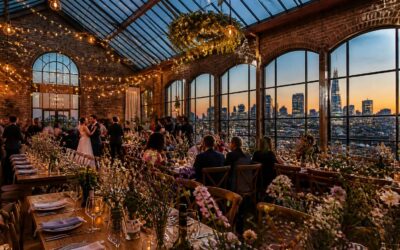
Industrial chic spaces lean into raw textures—exposed brick, steel beams, salvaged timber—paired with lighting that softens edges.
- Exposed brick walls
- Steel beams
- Polished concrete or timber floors
- Industrial pendant lighting
- Reclaimed wood furniture
- Muted palettes with metallic accents
An interior space like this trades grandiose flourish for a sense of intimate drama—the hush before vows, the glow of candles, the moment when everyone relaxes.
Hotel ballrooms and conference centers
In South Africa, hotel ballrooms and conference centers are quietly rewriting the vows-in-velvet script—a reliable indoor wedding venue where rain and weather behave themselves and the lighting never complains. A Johannesburg planner likes to say, “The room itself scripts the ceremony.”
These spaces offer a refined balance of grandeur and practicality, with flexible floorplans, built‑in acoustics, and on-site catering that keeps guests close, not chasing canapés through back corridors.
- Grand foyers for guest arrivals
- Modular layouts that morph from ceremony to reception
- Integrated AV and discreet staging
- On-site kitchens and seasoned service teams
From Cape Town to Durban, hotel ballrooms can swing from traditional opulence to contemporary minimalism, with draped fabrics, crystal chandeliers, and programmable lighting that flatters every vow. The choice of indoor wedding venue shapes not just a date, but a memory dressed in timeless polish.
Historic venues and conservatories indoors
‘A room scripts the ceremony,’ a Cape Town planner likes to say, and historic venues and conservatories indoors prove it daily. In South Africa, a refined indoor wedding venue frames vows in timeless light, where gilded railings glint and glass sends sunshine through lasting memories.
Here are elements that elevate these spaces:
- Heritage architecture and timber detailing
- Glasshouse warmth with climate control
- Seamless ceremony-to-reception flow
From Cape Town’s red-brick halls to Durban’s glasshouses, these venues offer a memory with a whisper of evergreen.
Design and Decor for Indoor Spaces
Lighting, color, and atmosphere
A recent survey reveals 68% of couples say lighting shapes mood more than décor. In an indoor wedding venue, lighting is the breath of the space—soft warmth, gentle shadows, a glow that turns quiet rooms into intimate stages for vows and celebrations.
Choose layered lighting to sculpt color and atmosphere: ambient washes, warm accents, and candle-like sparks that echo outdoor evenings. I love how the interplay with textiles and surfaces adds depth, making the room feel both expansive and personal.
- candle-inspired LEDs that shimmer softly
- uplighting to highlight arches and florals
- textured fabrics and reflective surfaces for glow
Keep the palette cohesive so the space feels unified, yet dynamic—a stage for love and memories that glows with distinction, perfectly suited to South Africa’s venues that celebrate light and life.
Seating flows and floor plans
A well-planned floor plan can be the difference between a dream and a day that feels hurried. A recent survey shows 63% of couples say seating flow matters more than décor, and clarity in movement calms nerves faster than a perfectly lit room.
In an indoor wedding venue, design and decor hinge on sightlines, proportions, and zones that welcome mingling, ceremony, and after-dance chatter. The aim is graceful cohesion: intimate nooks, generous aisles, and surfaces that invite guests to linger without blocking the path to the cake table!
For seating flows and floor plans that feel effortless, consider these core elements:
- Defined circulation routes that avoid bottlenecks
- Strategic sightlines to the altar, stage, or dance floor
- Flexible zones that can adapt from ceremony to reception
Floral and decorative accents
Turn an ordinary room into a story with design and decor that respect sightlines and texture. A recent poll found rooms with lush florals keep guests 20% longer on the dance floor. In a South African setting, the indoor wedding venue becomes a living stage where florals, fabrics, and thoughtful contrasts do the heavy lifting—without shouting.
- Statement blooms and greenery that echo the venue’s architecture
- Textured fabrics and natural fibers that soften edges
- Candlelight, lanterns, and discreet metallics for warmth
These elements should weave gracefully with the overall mood, guiding guests from mingling to ceremony to cake without jarring shifts—think a well-timed beat drop, not a decor hijack.
Catering layouts and service zones
Flow is the secret spice, says a seasoned South African caterer, and it applies as much to design as to flavor. In an indoor wedding venue, catering layouts should blend with architecture rather than fight it, keeping guests moving from mingling to the dining moment without a second thought. Prioritize kitchen proximity, discreet service corridors, and a clear line of sight so staff can work unseen and guests stay immersed in the moment.
- Kitchen pass-through and centralized plating
- Buffet or plated service zones aligned with dining areas
- Pastry and dessert stations near, but not in, high-traffic spaces
- Staff-only routes that avoid guest bottlenecks
Texture and lighting should carry the mood into service zones; warm candlelight near dessert, soft fabrics along walls, and careful sightlines so conversation isn’t interrupted by the clatter of trays.
Acoustics and entertainment setup
Sound is the dress the room wears, and in an indoor wedding venue it’s the detail that carries the mood from aisle to afterparty. In South Africa, acoustics are cited as a top guest-experience factor, not just a technical afterthought. Great design blends fabrics, geometry, and sightlines so every toast lands softly and every joke lands well—without shouting.
- Acoustic panels and soft textiles on walls
- Draped ceilings and floor-to-ceiling curtains for diffusion
- Strategic speaker placement and defined quiet zones
- Stage visibility and lighting that don’t clash with sound
Entertainment setups should sit in harmony with the architecture, a compact stage placed for equal sightlines from every corner, and lounge clusters that invite conversation rather than block it. For an indoor wedding venue, thoughtful design makes the difference between a glossy event and a remembered one. The result is a space where music, light, and movement feel effortless, from the first entrance to the last dance.
Practical Considerations and Logistics for Indoor Spaces
Weather-proofing and backup plans
Rain or heat, an indoor wedding venue offers the insurance policy couples crave. In South Africa, weather can flip as quickly as a wedding cake, and no one wants soggy vows. Weather-proofing means robust HVAC, reliable power for lighting and music, and a clear plan for gusts or delays—protecting your timeline and your guests’ comfort.
Logistics demand calm coordination—arrival, seating, and service zones must glide within the indoor wedding venue, not collide. For weather contingencies, have a quick-switch plan that keeps performances and toasts intact while you adapt space usage, signage, and guest flow.
- Power backup and reliable lighting
- Protected entry routes with mats and ramps
- Flexible catering zones to adapt layouts
Finally, communication is chic and essential: discreet contingency notes in invitations, a quick staff briefing, and signage that nudges guests toward comfort without color-coding panic.
Permits, contracts, and insurance
Backstage basics: permits, contracts, and insurance are the quiet backbone of any smooth indoor wedding venue operation. In South Africa, the drama can flare up on paper—fire-safety approvals, noise restrictions, and approved service hours can decide when the lights go up and the cake comes out. Nail these checks, and you’ve safeguarded your indoor wedding venue from last-minute surprises.
Keep a compact dossier of essentials that the venue will expect, covering the following areas:
- Temporary event permits and venue approvals where required
- Clear contracts that cover deposits, cancellation terms, and force majeure
- Public liability and venue insurance requirements for staff and guests
- Risk assessments and health-and-safety plans
Aligned with your chosen space, these components reduce ambiguity and help your team glide from arrival to curtain call with confidence.
Vendor coordination and timelines
Inside a trusted indoor wedding venue, timing is the quiet conductor. Weather may play tricks outside, but the mood is choreographed— deliveries, lighting cues, and the hush before the vows all align. In this controlled space, the rhythm of a wedding day unfolds with confidence, from the moment guests arrive to the last curtain call.
Vendor coordination and timelines shape the flow. A shared rhythm between caterers, décor teams, photographers, and entertainers creates a seamless narrative that guests feel rather than hear. The goal is a calm, cohesive day where movement is intentional and everything lands in its appointed place.
- Arrival and load‑in windows for all vendors
- Time allocations for setup, transitions, and rehearsals
- A single, agreed‑upon sequence to avoid clashes
With that harmony, the room becomes a cradle of memory—quiet, radiant, and sure.
Accessibility and inclusivity
“Accessibility is not an afterthought; it’s the baseline.” In a South African indoor wedding venue, practical inclusivity starts at the doors—level thresholds, wide entryways, and a clear path to the ceremony and reception. When the space is designed with diverse mobility, sight, and hearing needs in mind, every guest finds ease and time to breathe.
- Ramped entrances and elevator access for all levels
- Accessible restrooms and seating with sightlines for wheelchairs and strollers
- Clear signage with high-contrast visuals and tactile options
This approach also simplifies operations for vendors and staff, smoothing service routes and reducing the chance of congestion on a crowded day. In the end, the true measure of a venue is how freely every guest can be present.
Planning Timeline and Budget for Indoor Spaces
Milestones: 12-9-6 month planning
Bar the dust of indecision, the planning cadence shines like a lighthouse on a stormy sea. For an indoor wedding venue, a 12-9-6 month rhythm steadies nerves and choreographs a budget with grace. A thoughtful calendar turns excitement into achievable steps, guiding a day you can truly afford. In South Africa, a well-timed plan respects seasonal peaks and local vendors alike.
- 12 months: reserve the venue and set a target budget.
- 9 months: lock key vendors, refine the menu, and plan the floor.
- 6 months: confirm contracts, finalize guest numbers, and lock timing.
With transparent budgeting and steady communication, the space becomes a chorus of certainty rather than a question mark.
Sample budget breakdown for venues
Inside an indoor wedding venue, the calendar becomes a living compass, guiding us toward daylight and the soft afterglow. The 12-9-6 rhythm steadies nerves and whispers the price of every moment, especially in South Africa where seasons dance with local offerings. I watch the budget breathe—clear enough to keep wonder intact while numbers stay tethered to reality.
Sample budget breakdown for venues:
- Venue hire: 40%
- Catering and bar: 28%
- Decor and styling: 12%
- Entertainment and AV: 6%
- Contingency and misc.: 14%
Contingency planning and risk management
Contingency planning is the unsung hero when the forecast misbehaves. In South Africa, where thunderstorms can redraw a day in minutes, the indoors becomes both stage and shield. “A good contingency plan is the quiet engine of a flawless day,” notes a seasoned SA planner.
For the planning timeline, let the schedule breathe—ceremony, cocktails, and dinner should glide without forced gaps. The budget should carry a contingency line that covers weather shifts, supplier substitutions, and permit tweaks. The aim is steadiness, not rigidity, inside your indoor wedding venue.
- Backup power and climate contingencies
- Flexible room layouts and transition points
- Clear contractual risk allocations with vendors
These elements anchor events without dictating the day.



0 Comments