Key differences between wedding venues and churches
Ambience and architectural style
“The setting is the memory that lasts,” notes a South African planner, and that truth echoes in every vow. When choosing between a wedding venue vs church, couples feel the atmosphere long before the first kiss.
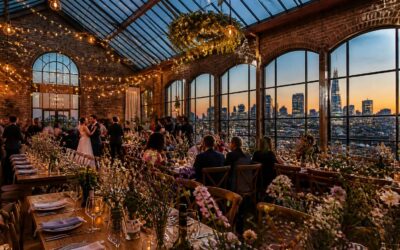
Ambience and architectural style shape the experience. Churches offer timeless grandeur—vaulted ceilings, stained glass, and stone walls—while wedding venues can range from bushveld lodges to modern glass halls, delivering moods from rustic to elegant. When weighing wedding venue vs church, consider how space influences movement, photos, and guest comfort.
- Scale and capacity
- Natural light and acoustics
- Rituals and scheduling flexibility
- Vendor restrictions
Architectural style choices ripple into décor, from Cape Dutch touches to contemporary minimalism, echoing South Africa’s diverse landscapes where tradition and liberty meet on a shared stage for vows.
Ceremony flexibility and timing
Timing can make or break the big day. In South Africa, the clock often dictates more than vows—it channels the mood from entry to send-off. When weighing the wedding venue vs church, ceremony flexibility and timing become decisive, shaping the day’s rhythm.
Church ceremonies follow a liturgical timetable: fixed processions, readings, and a legal window that can constrain spontaneity.
- Legal and religious requirements bound to a church’s schedule
- Flexible processions, vows, and silences commonly arranged at venues
- Weather readiness and guest comfort easier to orchestrate in adaptable spaces
Guest capacity and space planning
In South Africa, space is a quiet co-conductor of the day, guiding mood from entry to send-off. When weighing the wedding venue vs church, guest capacity and space planning ride alongside vows to choreograph the day’s tempo. “Space writes the rhythm of the day,” says a seasoned planner, and the shape of a room does as much work as the ceremony itself.
Guest capacity and floor plans demand different approaches: churches feel intimate and fixed; venues offer modular layouts. A flexible floor plan supports ceremony length variants and reception zones, avoiding bottlenecks.
- Seating configurations and legroom
- Accessible entry points and bathrooms
- Parking and guest drop-off logistics
In South Africa, weather readiness and guest comfort are easier to orchestrate in adaptable spaces, shaping the day’s flow and memory. The space you select becomes a living part of the celebration, not just a backdrop.
Religious and cultural considerations
Two ceremonial doors open at dawn: wedding venue vs church, each offering a distinct halo of memory. “Space writes the rhythm of the day,” a seasoned planner reminds us, and in South Africa that rhythm can swing between sacred hush and exuberant communal celebration.
Religious and cultural considerations tilt the decision. A church anchors vows in shared faith and ritual, while a venue invites inclusive rites that honour diverse heritage under one roof. The backdrop shapes how traditions unfold, from processional tempo to blessing rituals in our richly plural landscape.
- Denominational expectations and liturgy alignment
- Cross-cultural blends and civil ceremonies
- Venue policies on rituals, music, and timings
Choose with heart and practicalities in balance—access, weather readiness, and respectful observance—so the moment lingers like a quiet stone in memory.
Budgeting and value: cost factors for wedding venues and churches
Venue rental vs chapel fees
“Every rand has a story,” as a keen-eyed planner will tell you, and the choice between a wedding venue vs church is a duet of atmosphere and arithmetic. In South Africa, the budget often hinges on where you celebrate the vows, what’s bundled in, and when your guests gather under a shared canopy. The contrast is dramatic, yet the dance between value and dream remains irresistibly lyrical.
- Venue rental duration and peak-season pricing
- Inclusions vs add-ons: catering, décor, and staff
- A/V, lighting, and service charges
- Seasonal availability and guest capacity
By weighing these factors, couples see how the equation bends toward either grandeur or intimacy. The right balance of space, timing, and memory translates into value that resonates long after the last dance.
Inclusions and packages
“A wedding is a story the budget tells aloud,” a South African planner once quipped, and the numbers nudge the heart toward either grandiose ceilings or intimate corners. When weighing the cost factors for wedding venues and churches, every rand becomes a thread in a tapestry of inclusions and value. The choice between wedding venue vs church shapes what’s bundled, what’s customizable, and what memories are captured in the final tally.
Inclusions and packages matter—some couples chase all-inclusive enchantment, others prefer tailor-made arrangements. The true value lies in what’s wrapped into the quote: catering styles, decor allowances, staffing, and how ceremony coordination is handled across the day. It’s a careful bargain with room to improvise, where a flexible date or smaller guest list can turn a dream from distant star into near, shimmering reality.
- All-inclusive packages for simplicity
- À la carte options for customization
Hidden costs and add-ons
Budgeting and value shape every planning decision in South Africa. A well-timed quote can reveal where sparkle ends and real cost begins. The decision of wedding venue vs church sets the ceiling for inclusions, but hidden costs lurk beyond the base fee. Consider ceremony timing, staffing, and what constitutes overtime in the venue’s policy—these add-ons can surprise even the most careful budgets!
- corkage and liquor licensing
- service charges and VAT on catering
- cleaning, security, and damage deposits
- overtime fees for staff, lighting, or AV
- vendor meals, transport, and setup costs
Value comes from clarity on what’s included and what isn’t. Compare packages side by side, asking for a line-by-line breakdown of extras from decor allowances to ceremony coordination. When weighing the comparison, a transparent add-ons schedule matters—and the right choice keeps memories sharp while the budget stays steady.
Seasonality and availability impact on price
South Africa’s wedding market behaves like a weather system—seasonality and venue availability can tilt the price scale faster than a bridesmaid’s dress. The decision between wedding venue vs church often sets the ceiling for inclusions, but prices dance to a different rhythm once demand spikes. In peak months and on Saturdays, even basic packages can feel boutique!
- Peak-season demand can push weekend rates higher
- Weekday or off-peak timings offer more value
- Booking lead times influence deposits and terms
- Availability windows affect inclusions and add-ons
The right choice in South Africa isn’t just about base prices—it’s about how seasonality and availability interact with inclusions and add-ons, shaping the overall value.
Logistics and legal considerations for ceremonies
Marriage licensing and officiant options
Logistics shape the decision between a wedding venue vs church. In South Africa, marriage licensing and officiant options blend legal steps with personal ceremony style, so couples must align timing, permissions, and venue policies to avoid last-minute surprises. I’ve seen the right arrangement keep vows flowing and the celebration intact from entry to encore.
- Civil celebrants or marriage officers registered with the Department of Home Affairs
- Religious clergy or faith‑community officiants approved by their denomination
- Independent celebrants who tailor the ceremony to your story
On the licensing front, a South African marriage license is issued by the Department of Home Affairs and typically requires both partners to present documents in person; processing times vary by province. Some venues host preferred officiants to ensure the ceremony feels seamless, whether you favor a grand hall or a tranquil garden setting.
Scheduling, vendor restrictions, and coordination
Time is the quiet director of your day, and in South Africa every calendar shift can tilt availability. Whether you lean toward a wedding venue vs church, logistics determine the rhythm—from rehearsal windows and ceremony timing to how long guests can linger afterward. Aligning the officiant, venue policies, and vendor schedules stops last-minute surprises and lets the vows flow smoothly from entrance to encore, like a clockwork spell guiding timing.
Consider these coordination touchpoints to keep the day seamless:
- Ceremony start times and duration
- Rehearsal scheduling and access
- Vendor arrival windows and load-in
- Music, photography, and alcohol restrictions
- Venue curfews or quiet hours
Accessibility, parking, and transportation
In South Africa’s tapestry of weddings, the choice between a wedding venue vs church often reveals itself in the quiet corridors of accessibility and arrival. The rhythm of the day hinges on parking, routes, and the first impression at the door; a deftly mapped plan steadies nerves and lets vows unfold with grace! Whether you choose a wedding venue vs church, the logistics set the tempo like a metronome.
Here are essential touchpoints to keep ceremonies flowing smoothly:
- Accessibility features: ramps, lifts, seating for mobility needs, and clear signage
- Parking and drop-off: ample spaces, designated bays, and discreet security
- Transportation: shuttle schedules, clear routes, and guest-friendly signage
Legally, the stage behind the altar must align with local requirements—let the path chosen by the venue or church honor both ceremony and compliance, so love can rise unimpeded.
Insurance, permits, and safety requirements
In South Africa, the tempo of a wedding often hinges on the quiet choreography of permits and safety checks. The choice between wedding venue vs church reshapes how insurance and compliance weave into the day, from licensing to room capacity, marrying joy with regulation.
Insurance, permits, and safety requirements frame the ceremony’s tempo. Consider these touchpoints:
- Public liability and cancellation coverage to protect the couple and suppliers.
- Permits for amplified sound, outdoor ceremonies, or liquor where applicable.
- Fire safety, emergency exits, and accessible evacuation plans.
- Vendor insurance requirements and certificate of currency with each supplier.
Ultimately, the choice between wedding venue vs church is anchored in how well the legal framework is understood and integrated, ensuring safety, compliance, and a ceremony that glides into the reception with grace.
Guest experience and atmosphere
Ceremony flow and acoustics
Two-thirds of wedding guests remember the vibe more than the bouquet. In the wedding venue vs church debate, atmosphere is the quiet, influential MC. In South Africa, daylight, sightlines, and comfort tilt the guest experience toward spaces that feel welcoming and easy to navigate. Good acoustics, climate control, and clear routes for guests—what a win for the folks on the guest list!
- Clear sightlines from every seat
- Comfortable climate and seating
- Accessible routes and intuitive flow
Ceremony flow and acoustics matter. Churches bring reverberant sound and pacing that honours tradition; venues offer flexible staging and controlled amplification. The choice between wedding venue vs church comes down to whether you want classic acoustics or adaptable ambience that keeps vows audible and the recessional joyful!
Reception layout and traffic management
A wedding’s heartbeat lingers in the glow of night; the choice between wedding venue vs church shapes more than décor—it is the atmosphere guests carry home, a quiet conductor guiding memory as it unfolds.
South African daylight pours through arches or skylights, coloring mood from first greeting to recessional. Clear sightlines and comfortable seating invite conversation, and a welcoming floor plan helps grandparents and guests move with ease.
Reception layout and traffic management become the choreography of celebration. In gracious spaces, guests glide from drinks to tables without bottlenecks, while signage and open routes keep the flow intuitive.
- Open foyers and clear sightlines from each seating block
- Defined routes to reception, toilets, and exits
- Graceful spacing around the dance floor to avoid crowding
These choices read like a chorus, guiding every guest with quiet dignity through the day, their experience shaping the dream.
Photography, videography, and restrictions
“Atmosphere is the memory you take home,” a seasoned planner says, and that truth tilts the scale between wedding venue vs church. Guest experience and atmosphere aren’t just décor—they linger in conversations, greetings, and the quiet glow that travels home with guests. In South Africa, daylight through arches or skylights colors the mood from welcome to recessional, shaping portraits before a single toast; the air itself feels spellbound.
Photography and videography weave the story, but restrictions steer the frame. Consider drone policies, flash allowances, and space-blocks that ask for candid over staged moments.
- No flash in certain ceremony zones
- Indoor drone use may be prohibited
- Photographers should respect quiet zones for speeches
Food, beverage, and service pacing
Atmosphere is the memory you take home—this isn’t poetry, it’s data from every wedding I’ve planned. Guest experience in the wedding venue vs church debate hinges on that intangible: how the space breathes as guests arrive, the chatter that flows, the lighting that makes portraits pop. In South Africa, daylight through arches colors the mood, turning greetings into an early glow that lingers long after the last song.
I’ve learned that food, beverage, and service pacing are the quiet conductors. In a wedding venue vs church, the timing of canapés, speeches, and courses shapes comfort and energy. A well-timed flow keeps guests engaged without rushed moments or dull lull.
- Canapés and welcome bites set the tone for conversation.
- Speeches punctuate the evening, shaping the rhythm rather than interrupting it.
- Coffee and dessert signal a gentle wind-down of the reception.


0 Comments